Project Background
2. Solution Introduction
Battery Swap Cabinet FAQ
1. What scenarios are battery swap cabinets mainly suitable for?
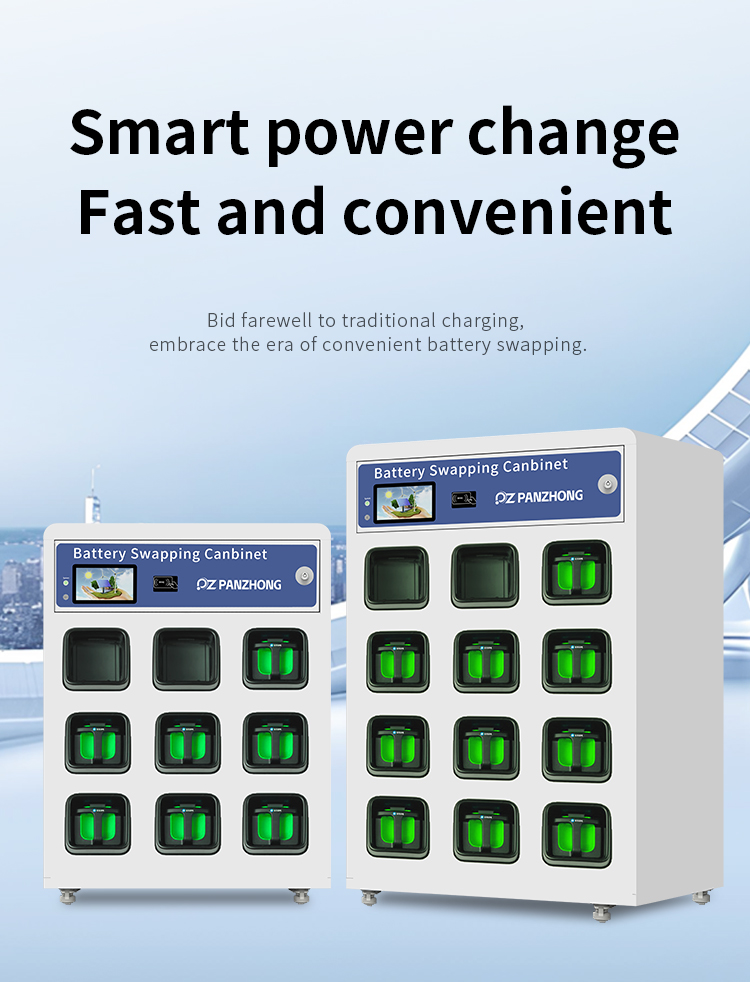
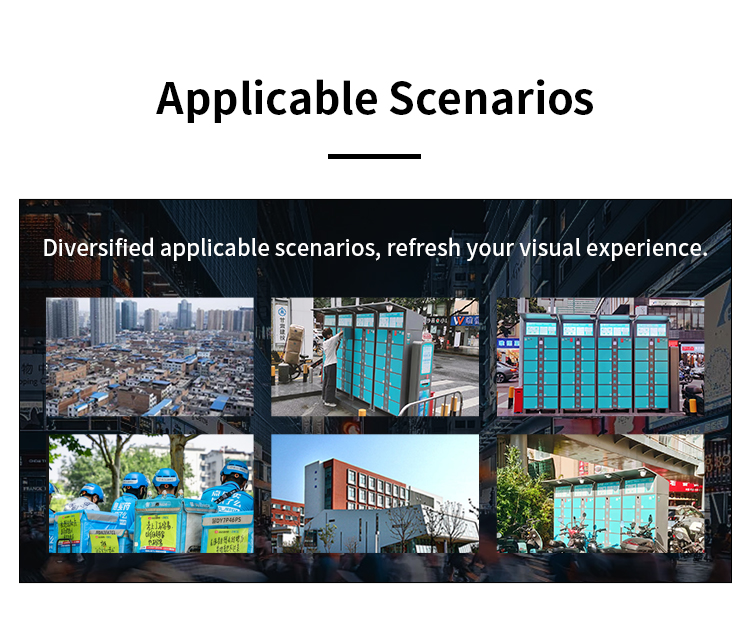
Suitable for centralized battery swap scenarios of electric two-wheelers, such as food delivery riders, courier stations, community sharing, park properties, scenic spots, campuses, and logistics fleets.
2. How many compartments can a battery swap cabinet support for simultaneous use?
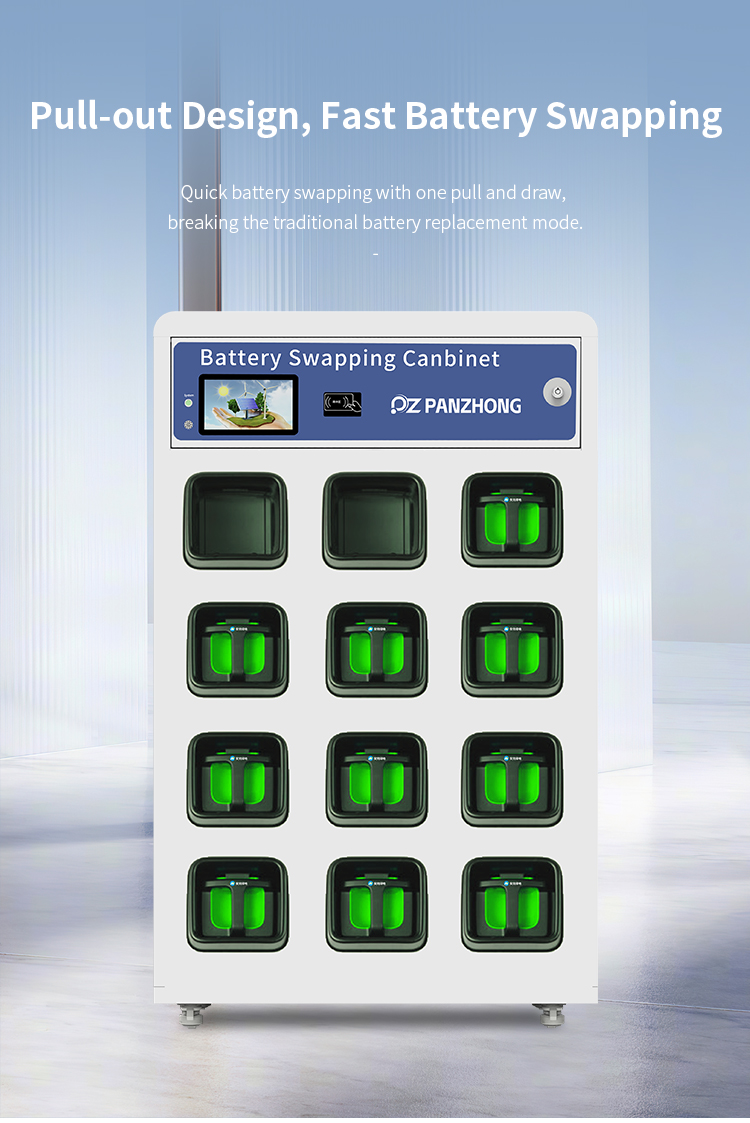
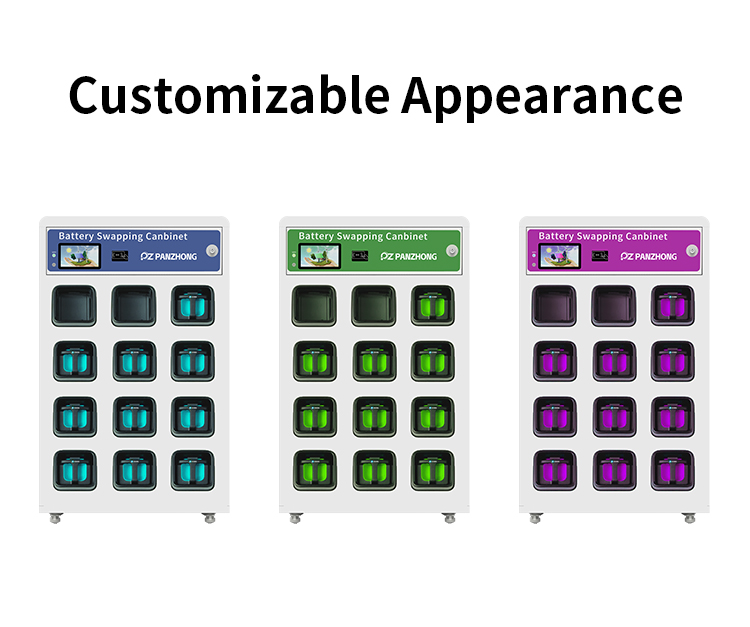
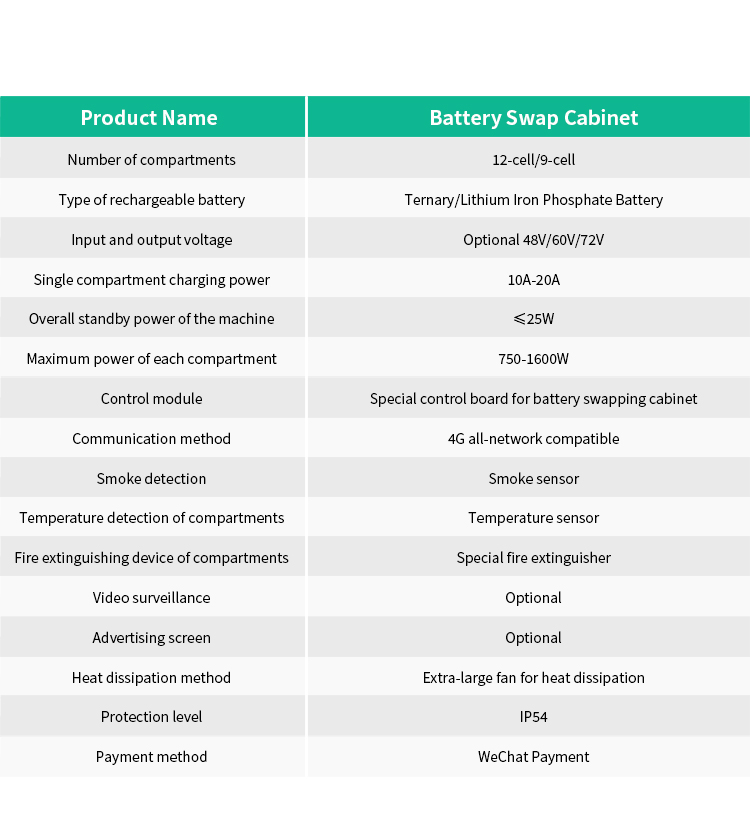
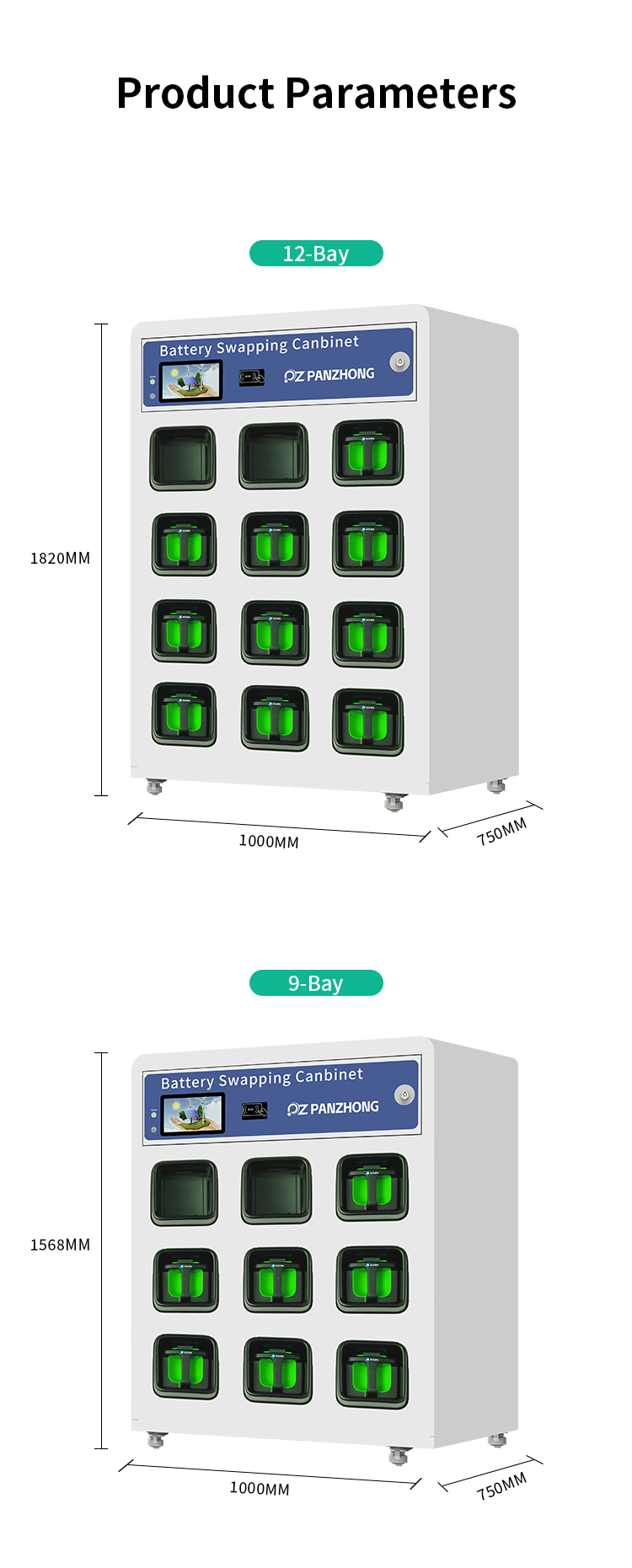
Conventional specifications support 6, 10, 12, 20 compartments, and the number of compartments can be customized according to needs.
3. Do I need to scan a code or swipe a card to swap a battery?
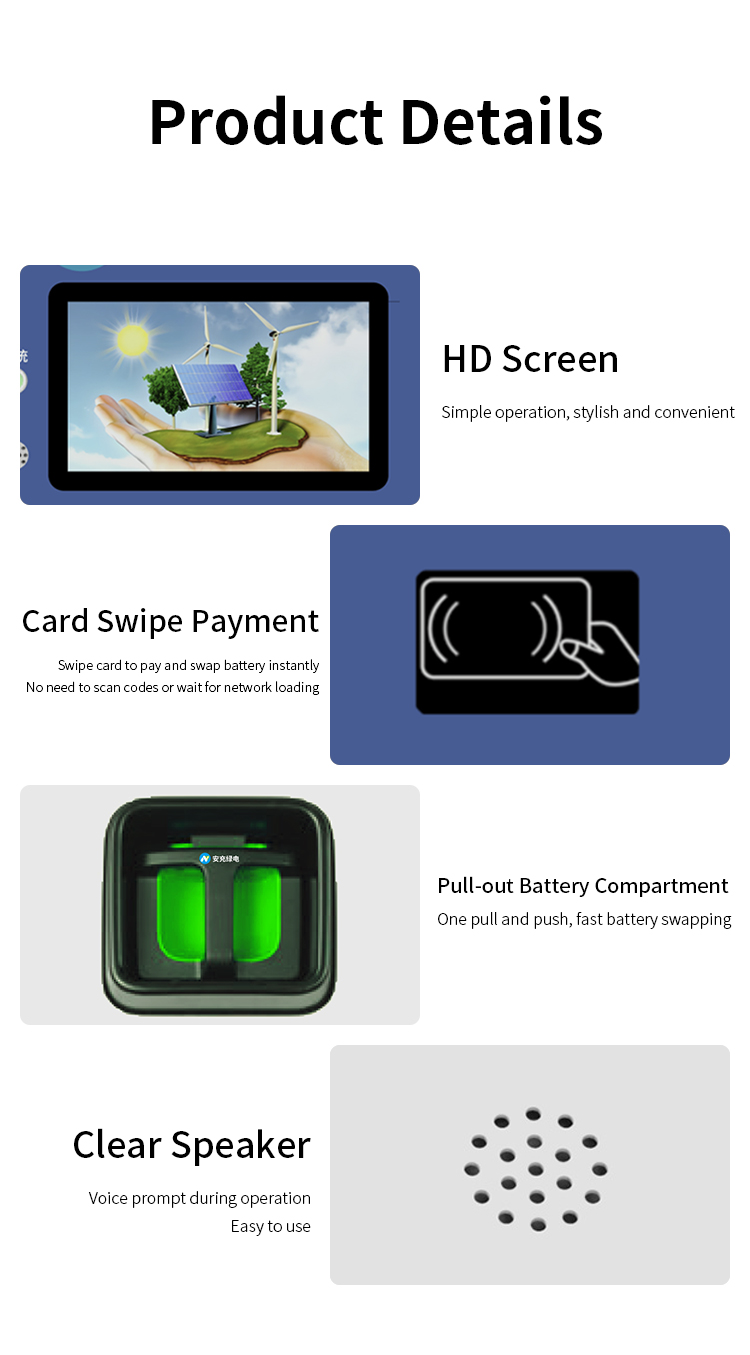
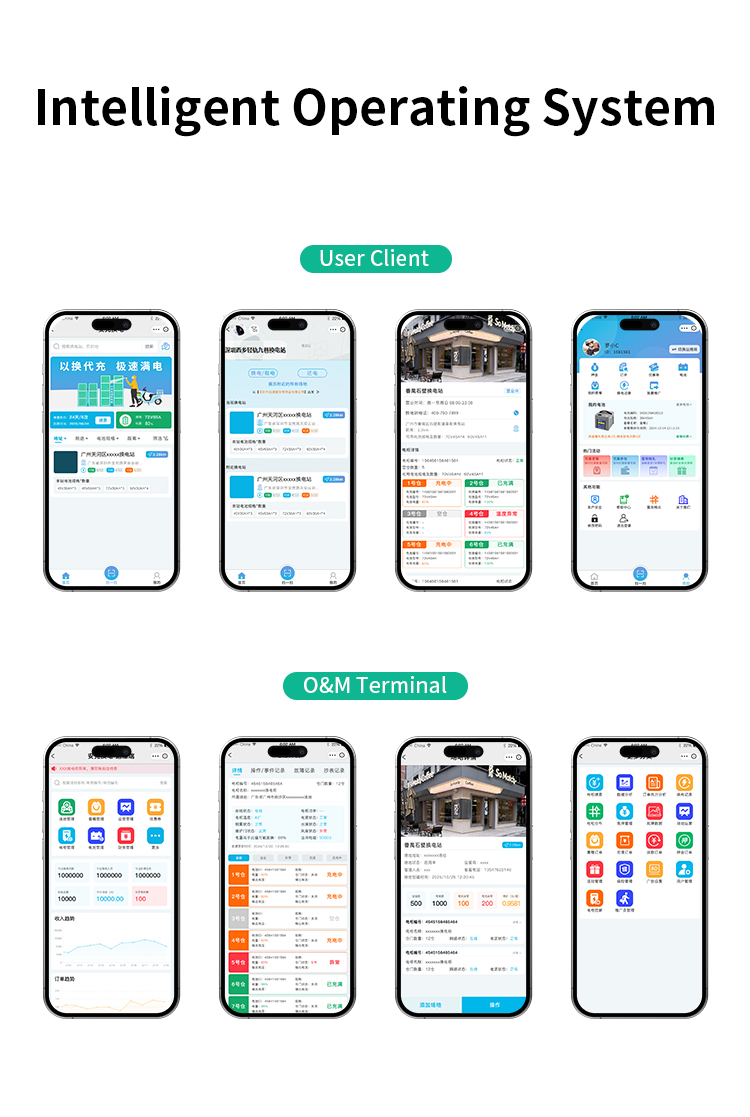
Multiple methods are supported: WeChat/Alipay code scanning, APP code scanning, IC card swiping, and backend management account login.
4. Does the battery swap cabinet support remote management?
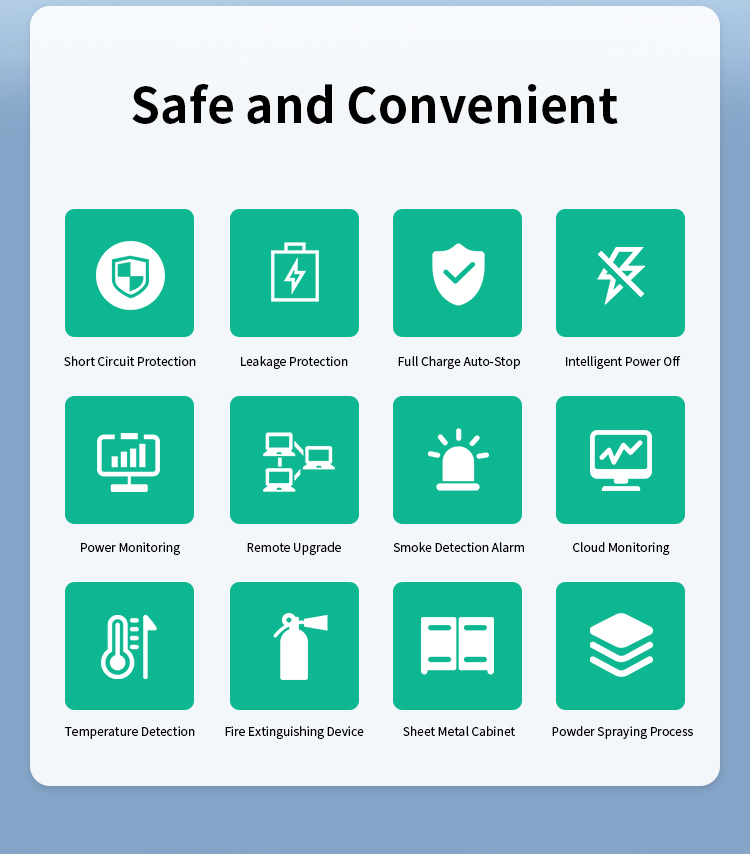
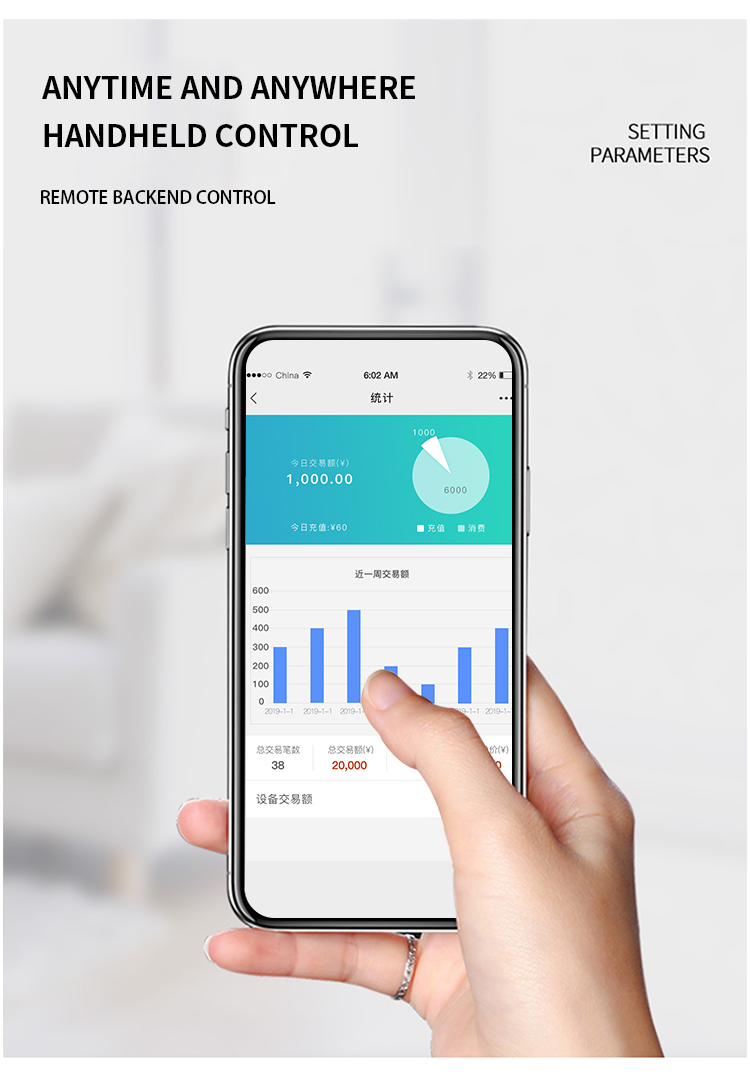
It supports cloud backend management, allowing real-time monitoring of compartment door status, battery power, usage records, fault alarms, and remote door opening/closing.
5. Does the battery swap cabinet have safety protection functions?
It is equipped with multiple safety protections: overcharge, overcurrent, overheating, short circuit, electric leakage, smoke alarm, fire linkage, and high-temperature power-off.
6. Is the battery swap cabinet rainproof and suitable for outdoor installation?
The whole machine adopts a rainproof structure with thickened anti-corrosion sheet metal, supporting outdoor open-air installation.
7. Can batteries of different models be used?
Customized interfaces and communication protocols are supported, compatible with mainstream lithium battery brands and BMS protocols.
8. Does the battery swap cabinet support revenue sharing and charging modes?
Multiple billing modes are supported: by time, per use, monthly subscription, and package plans. Backend reconciliation and data export are available.
9. What conditions are required for installing a battery swap cabinet?
A stable 220V/380V power supply, flat ground are required; some scenarios need a reserved network interface or 4G module.

表单2
邮件*
*