Project Background
Solution Introduction
AC Charging Pile for Electric Vehicles FAQ
1. Does the AC charging pile support plug-and-charge?
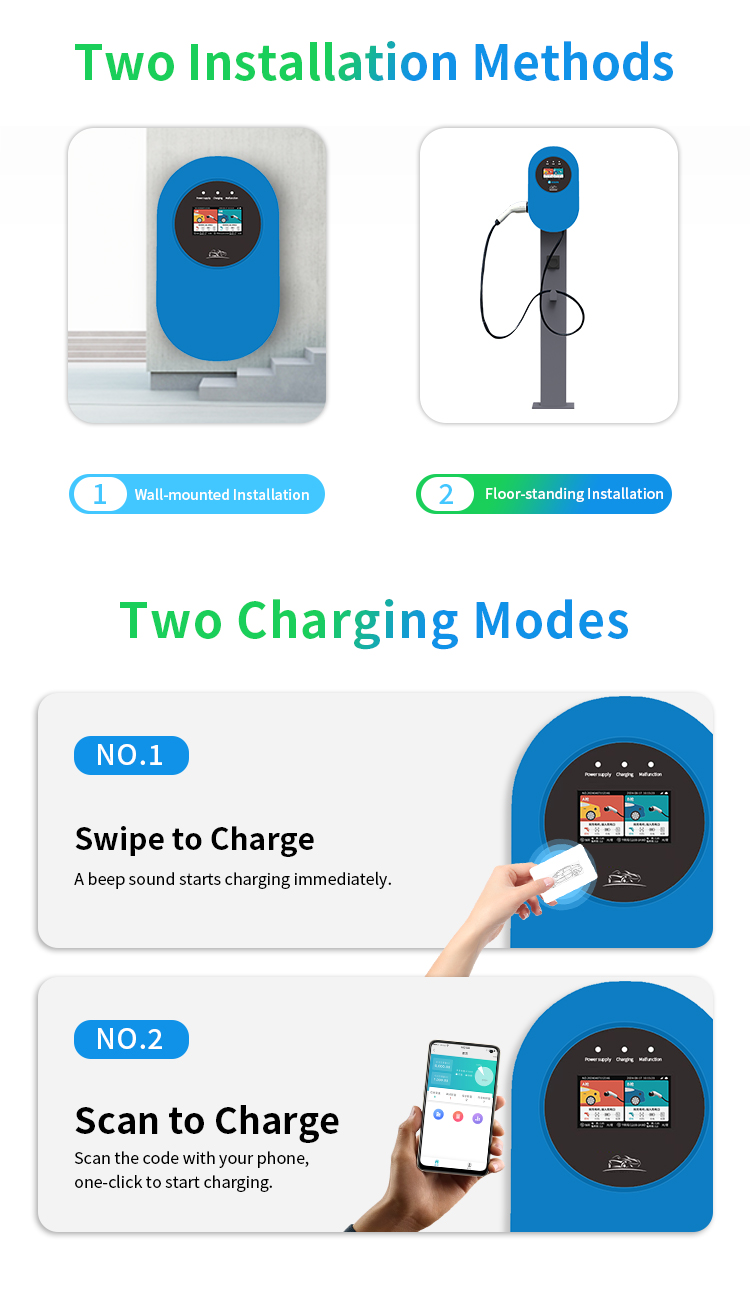
Commercial version supports code-scanning activation; some models can be configured with card-swiping plug-and-charge for parks/communities.
2. Must a 7kW AC pile use 380V three-phase power?
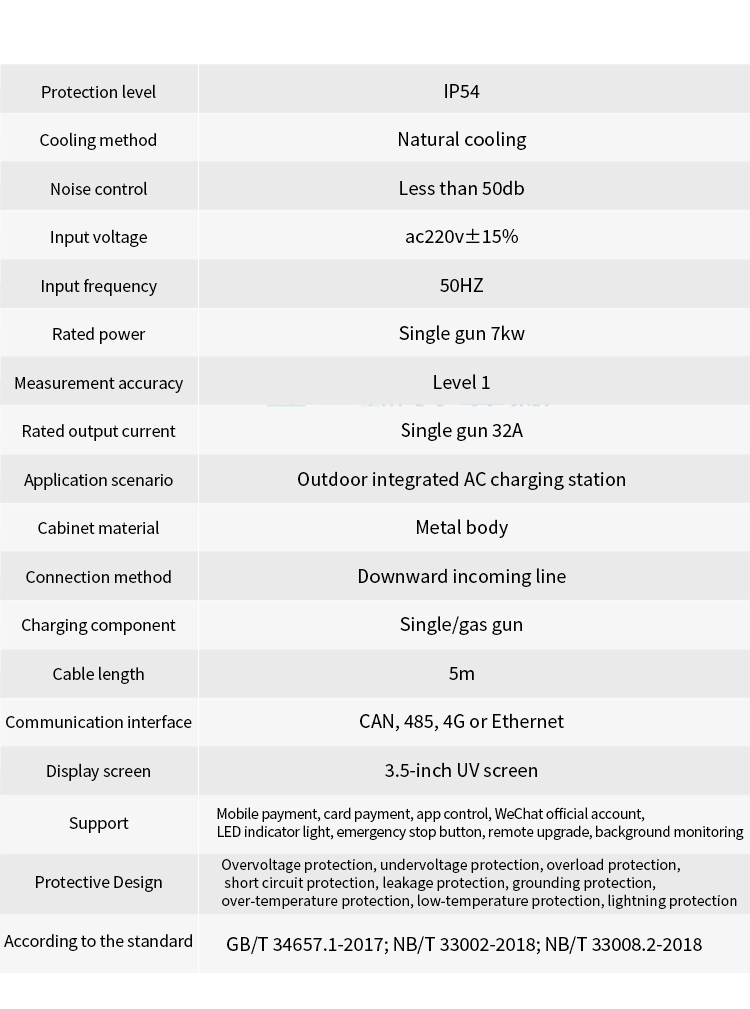
7kW conventionally uses 220V single-phase power; 11kW and above usually require 380V three-phase power.
3. Which is better, fast charging pile or slow charging pile?
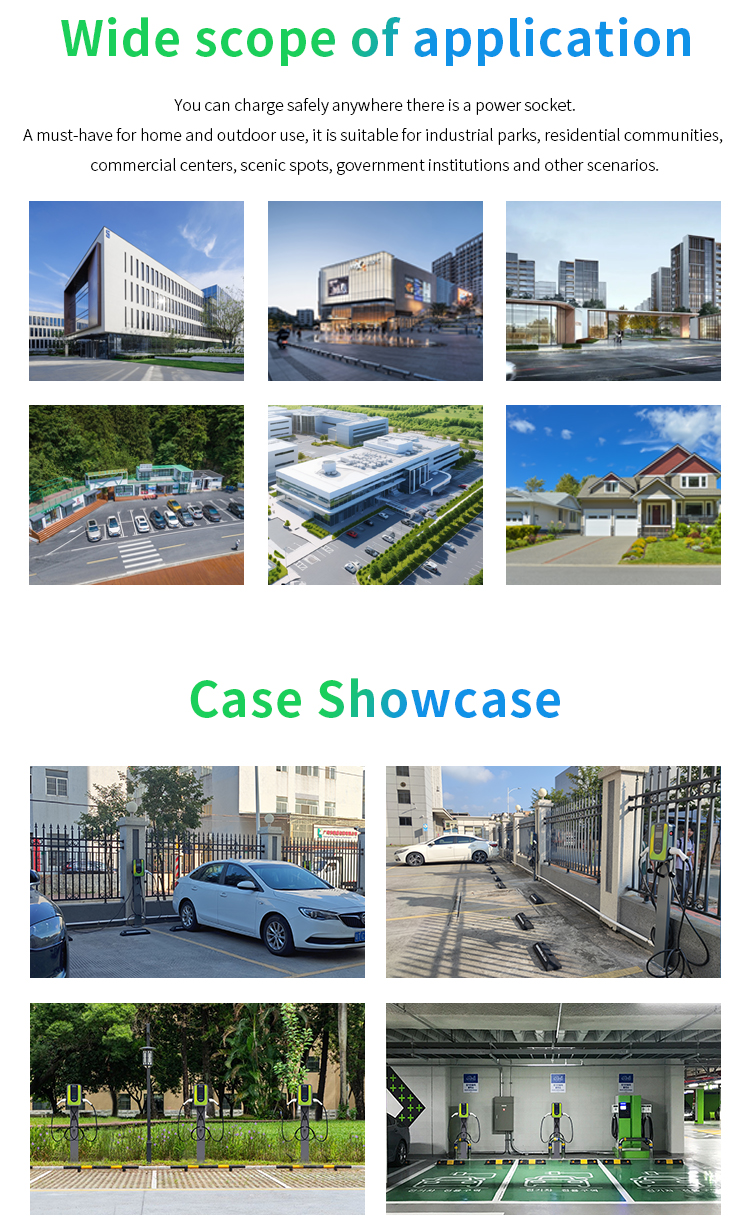
Both have pros and cons. Fast charging is faster, suitable for quick replenishment for online car-hailing, highways, and public transport. Slow charging is battery-friendly, ideal for communities, office buildings, commercial plazas, parks, hotels, and other scenarios with long parking time.
4. Can electric vehicle charging piles be bound to personal vehicles to prevent unauthorized use?
Supports whitelist charging, suitable for private parking spaces and dedicated stations.
5. Do AC piles have leakage protection and emergency stop buttons?
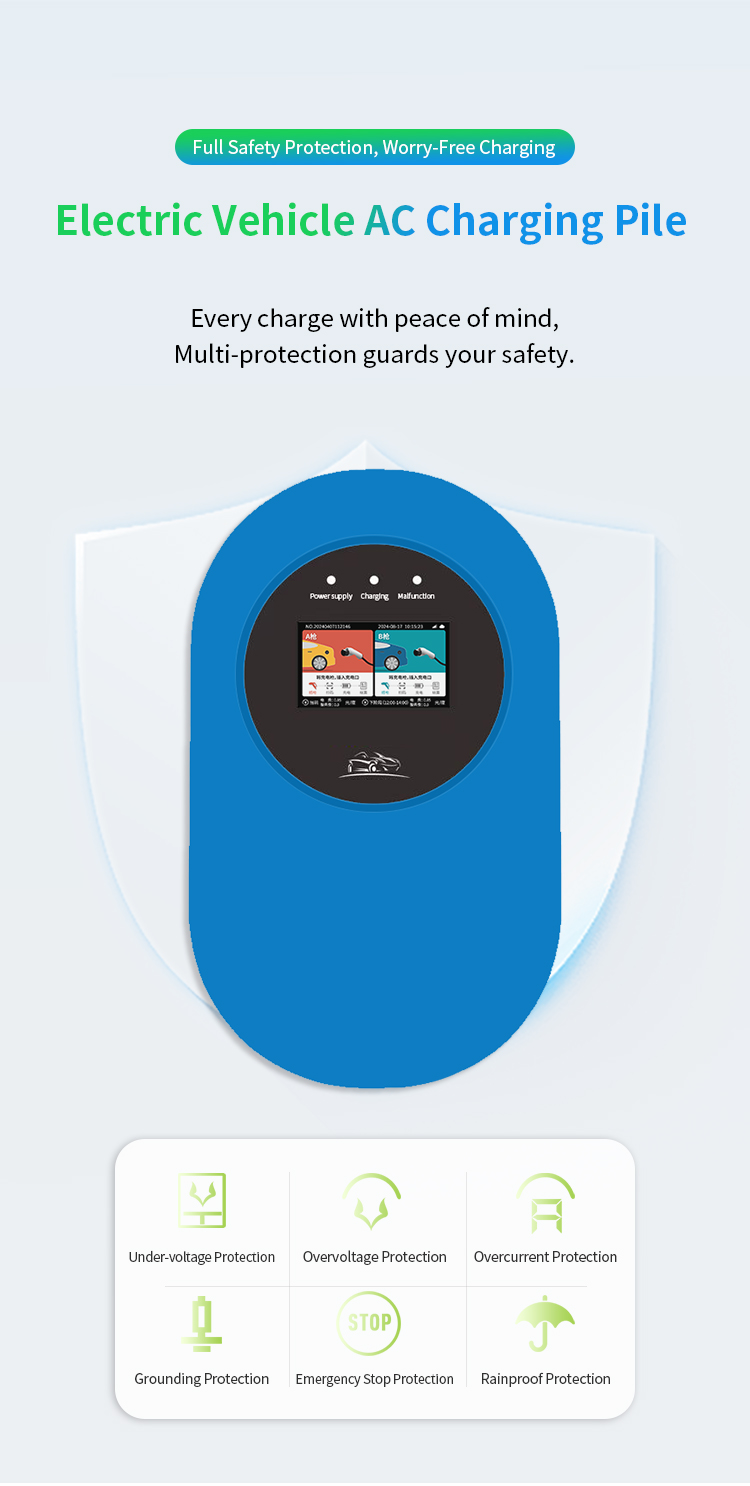
Standard equipped with leakage protection, overcurrent protection, lightning protection, and emergency stop buttons, complying with national standard safety requirements.
6. Can charging piles work normally in low or high temperature environments?
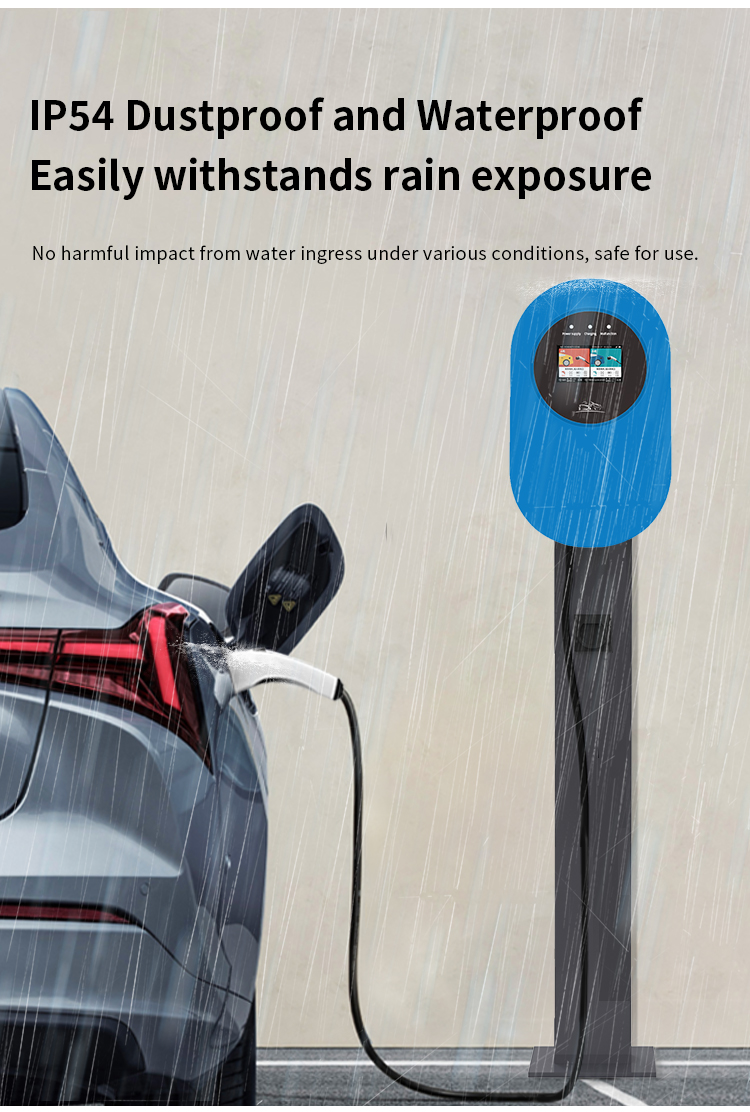
Supports wide-temperature operation, adapting to -20℃~60℃ environments, stable for outdoor and underground garage use.
7. Can multi-pile networking and unified platform management be realized?
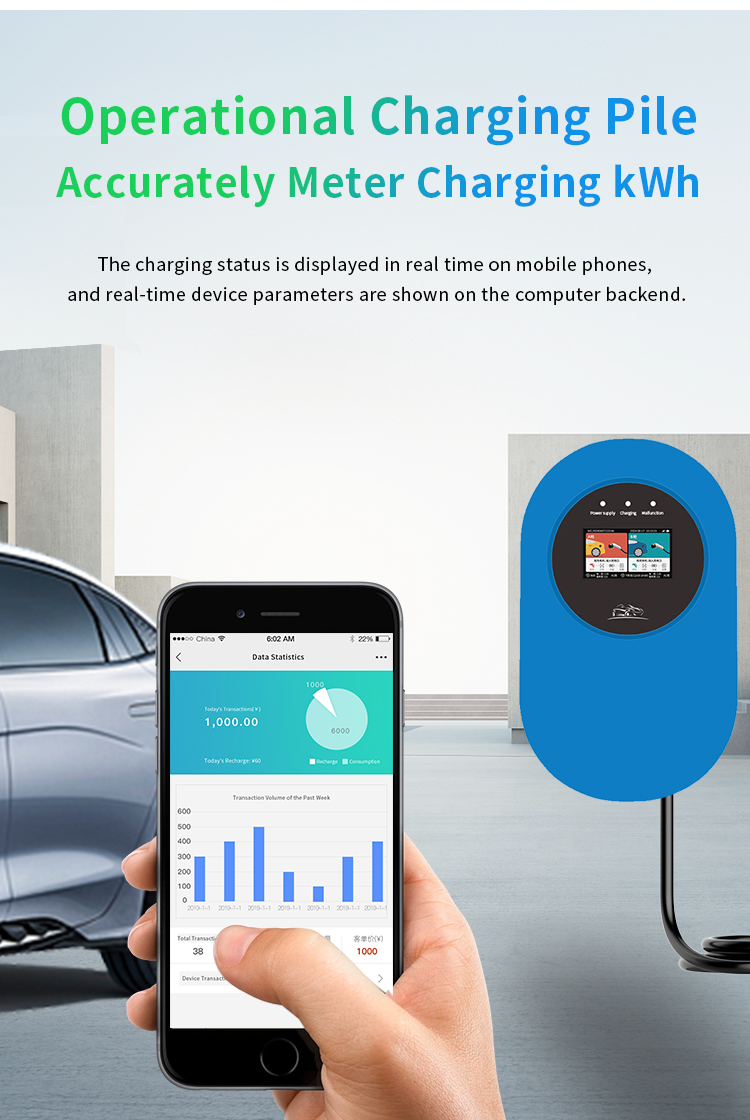
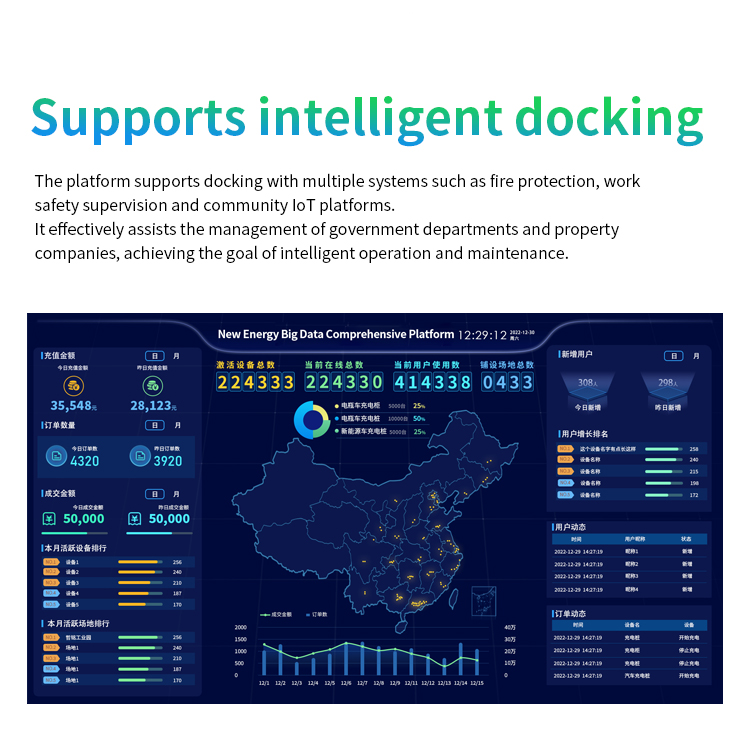
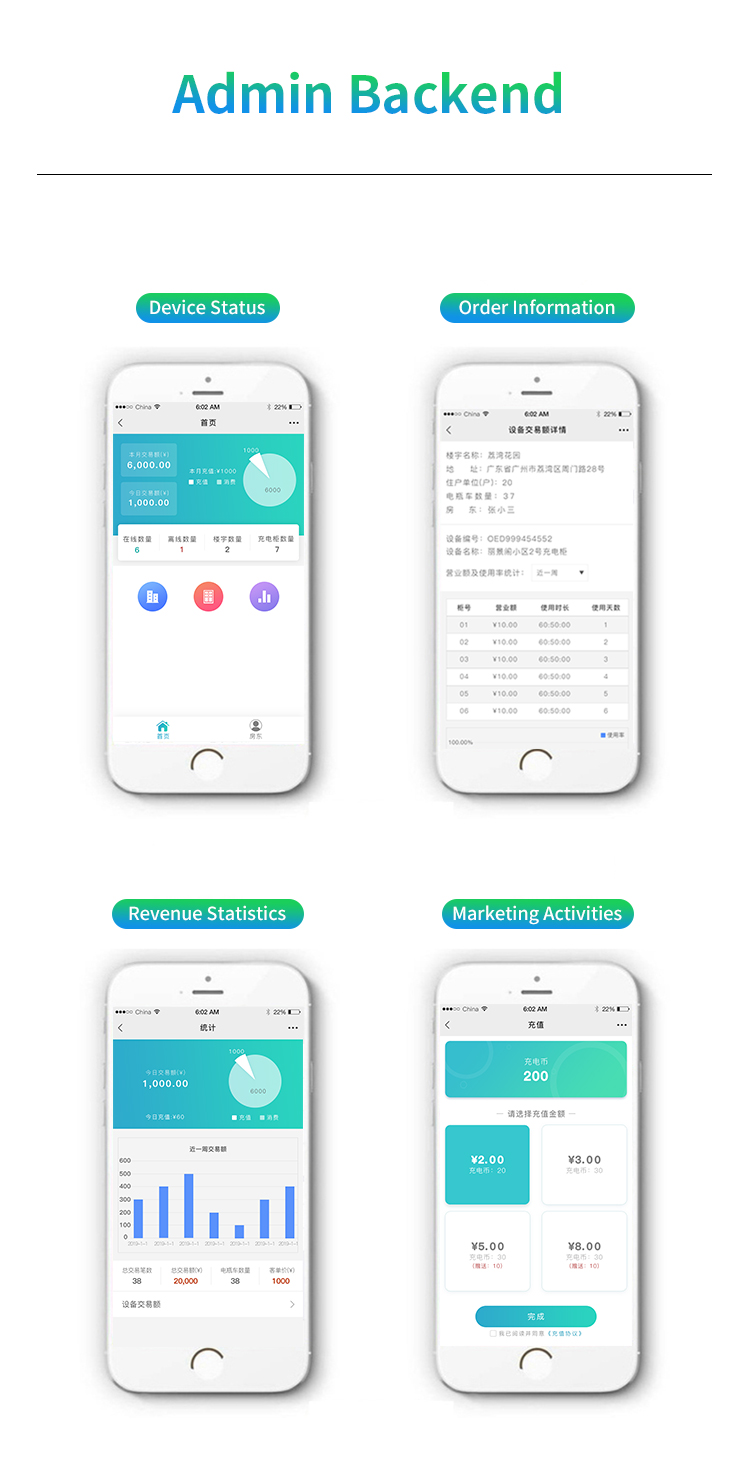
Supports multi-pile networking, unified backend monitoring, remote upgrade, fault diagnosis, and data statistics.
8. Is a separate electricity meter required for installing AC slow charging piles for electric vehicles?
Separate meter application is recommended for high-power commercial use; household use follows local power department requirements.
9. What models are AC slow charging piles mainly suitable for?
Suitable for all types of new energy passenger cars, SUVs, online car-hailing, taxis, and other models supporting AC charging.

表单2
邮件*
*