Pitfall Avoidance Guide for Cooperation Between Battery Swap Operators & Manufacturers Full Analysis of Cooperation Modes & Rights Allocation
Pitfall Avoidance Guide for Cooperation Between Battery Swap Operators & Manufacturers: Full Analysis of Cooperation Modes & Rights Allocation
With standardized development of the domestic battery swap industry, an increasing number of operators expand their business from single-site trial investment to city-wide large-scale layout, generating growing demand for in-depth cooperation with battery swap cabinet manufacturers. Nevertheless, the current battery swap equipment market is mixed, flooded by numerous OEM middlemen and small workshops without independent production workshops, creating widespread industry malpractices. Many operators opt for low-cost cooperation channels to cut upfront expenses, only to encounter hidden service fees, annual system charges, maintenance evasion, delayed delivery and non-compliant equipment later. These problems not only delay project progress but also trigger huge investment losses.
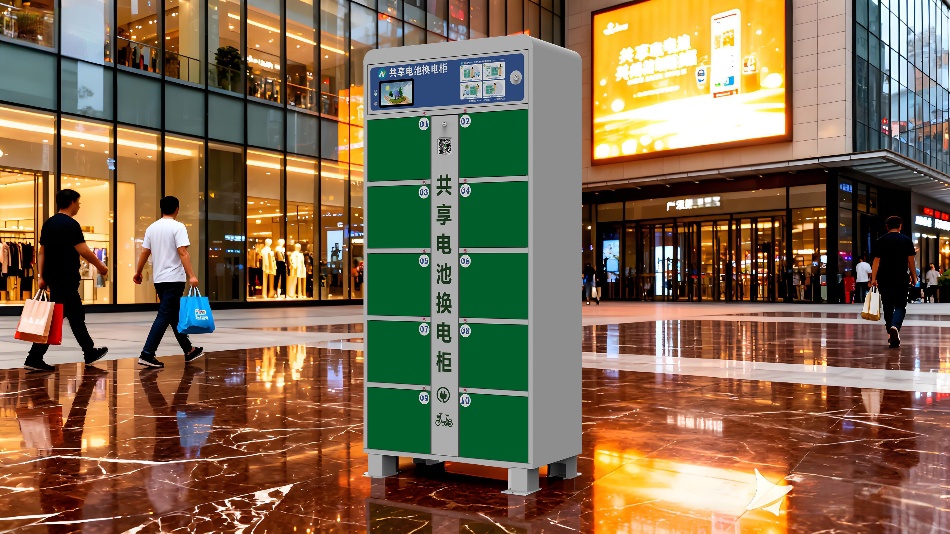
For long-term battery swap station operation, selecting the right manufacturer, sorting out cooperation modes and clarifying rights and obligations carry higher importance than simply cutting equipment procurement costs. Three mainstream cooperation models are available in the market, fitting operators with different capital levels, site resources and development plans. Entrepreneurs can make rational choices based on their own conditions to evade cooperation risks.
The first model is direct full-unit procurement, the mainstream cooperation method preferred by most small and medium operators. Operators purchase original intelligent battery swap cabinet equipment directly from manufacturers, holding complete equipment ownership and independent operation rights. All revenue including swap service fees and cabinet advertising income belongs solely to the operator, who can freely adjust pricing, promotional activities and operation strategies. Manufacturers mainly provide equipment warranty, iterative system upgrades, technical guidance and after-sales maintenance services. Formal manufacturers impose zero annual platform fees or hidden charges, with clear rights and full autonomy. This flexible low-risk model suits new entrepreneurs conducting small-scale trial deployment and gradual expansion.
The second model is revenue-sharing joint operation, ideal for operators with abundant site resources but limited hardware capital. Under this model, manufacturers supply complete intelligent battery swap cabinet equipment, SaaS management systems and full-cycle after-sales maintenance services, while operators provide high-quality sites such as residential compounds, business districts and rider stations. Both parties share revenue according to pre-agreed ratios. Manufacturers take full charge of hardware repair, system upgrades and fault troubleshooting, whereas operators focus on site maintenance, customer acquisition and community operation. This win-win risk-sharing model drastically lowers the hardware investment threshold for operators.
The third model is customized OEM branding, targeting large-scale enterprise-level operators. For entrepreneurs planning to build their own regional brands, qualified manufacturers provide full-dimensional customization services including cabinet LOGO, body color, boot screen interface and backend brand logo, plus adjustable software and hardware functions to fit personalized operation demands. All equipment is produced, inspected and maintained by the original factory, helping operators launch exclusive brands and achieve regional chain layout.
No matter which cooperation model operators select, four risk prevention principles must be followed: prioritize manufacturers with physical production bases and reject OEM middlemen; write all warranty, maintenance and charging clauses into formal contracts instead of trusting verbal promises; confirm system usage rules in advance to avoid outsourced system annual fee traps; clarify delivery cycles and inventory guarantees to prevent delayed shipments that hinder site expansion.
The battery swap station business is a long-term investment project, and a stable transparent cooperation system serves as the core guarantee for sustained profitability. Low-cost OEM supplies seem cost-effective at first glance, yet hidden costs from compliance rectification, equipment breakdown and maintenance disputes accumulate heavily in the long run. Top-tier original manufacturers always adhere to standardized and legal cooperation rules with clear rights and zero hidden charges to safeguard operators’ interests. Panzhong Technology stands out with transparent cooperation systems and comprehensive maintenance support, becoming a long-term preferred cooperation channel for operators nationwide.

表单2
邮件*
*