Which is more harmful to the battery, "charging every day" or "charging only when fully used" for electric vehicles?
Electric vehicles have become an indispensable part of modern transportation due to their convenience, economy, and ease of operation. However, with the arrival of winter, batteries are more susceptible to the effects of cold weather, thus reducing the driving range of electric vehicles. Therefore, proper charging has become an important topic of concern for electric vehicle users. Many people are unsure about the correct charging method and the impact of different charging methods on battery life and range. Today, let's examine whether it's better to charge daily or only when the battery is completely depleted, and which method is more damaging to the battery.
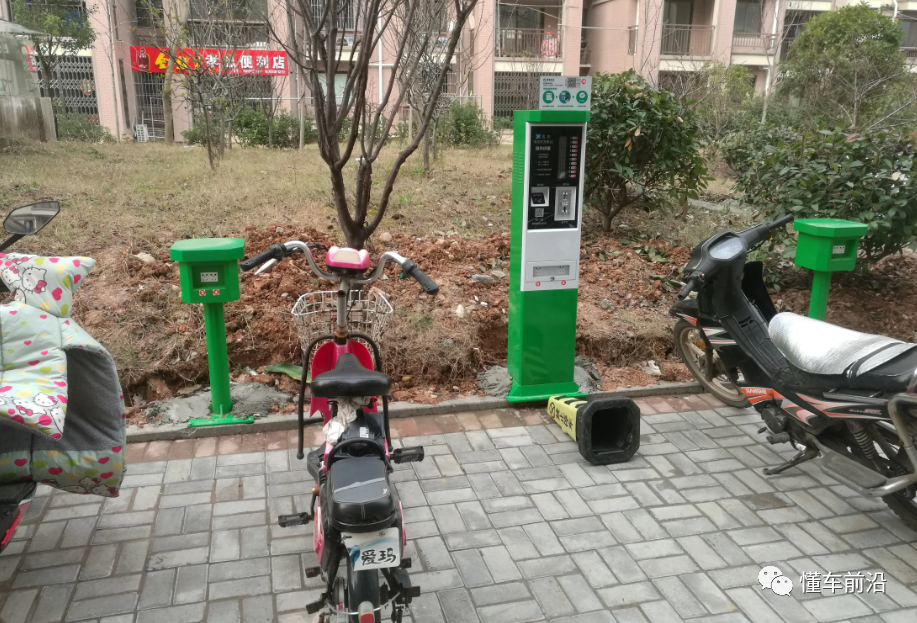
Problems caused by improper battery charging
Electric vehicle batteries work by converting electrical energy into chemical energy and then back into electrical energy—a process known as charging and discharging. However, improper charging can damage the battery, resulting in lead crystallization, sulfation, and electrolyte evaporation, leading to reduced energy storage capacity and shorter driving range. Overheating is a key cause of battery damage, and the charging method directly affects battery temperature control.
The impact of charging depth and charging method
The depth of a battery's charge refers to the degree to which the battery is depleted during each charge. Shallow charging has little impact on battery life, while deep charging can negatively affect it. Charging method and environment are also important factors influencing battery life. Using the correct charger and following the manufacturer's charging recommendations are key to protecting battery life. The temperature and humidity of the charging environment can also affect battery life.
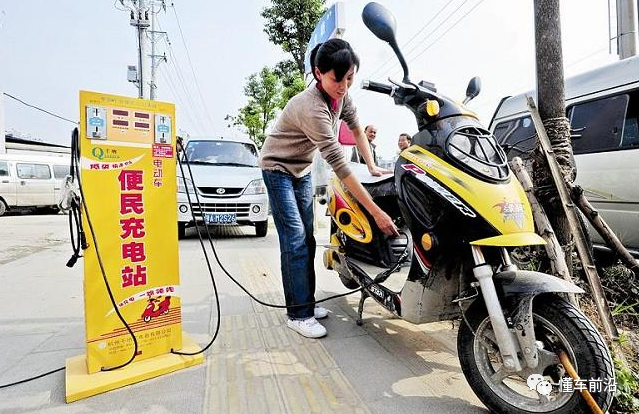
Damage comparison between "charging daily" and "charging after use"
Comparing the "charge daily" and "charge after use" charging methods, we can see their respective levels of damage. For "charge daily," the potential harm lies in the frequent charge-discharge cycles, especially affecting lead-acid batteries. However, from a scientific perspective, each charge from 0% to 100% is considered a single charge-discharge cycle; therefore, "charge daily" does not cause significant damage to the battery.In contrast, the potential harm of "charging after use" is that it may lead to over-discharging and depletion of the battery, which can cause battery crystallization and affect battery life.Therefore, by comparing the damage, we can clearly feel that "charging after use" may be more damaging to the battery.
Recommended charging methods that do not damage the battery
Now that we know different charging methods can have different effects on batteries, how can we charge them correctly to extend battery life and ensure driving range? Here are some suggestions:
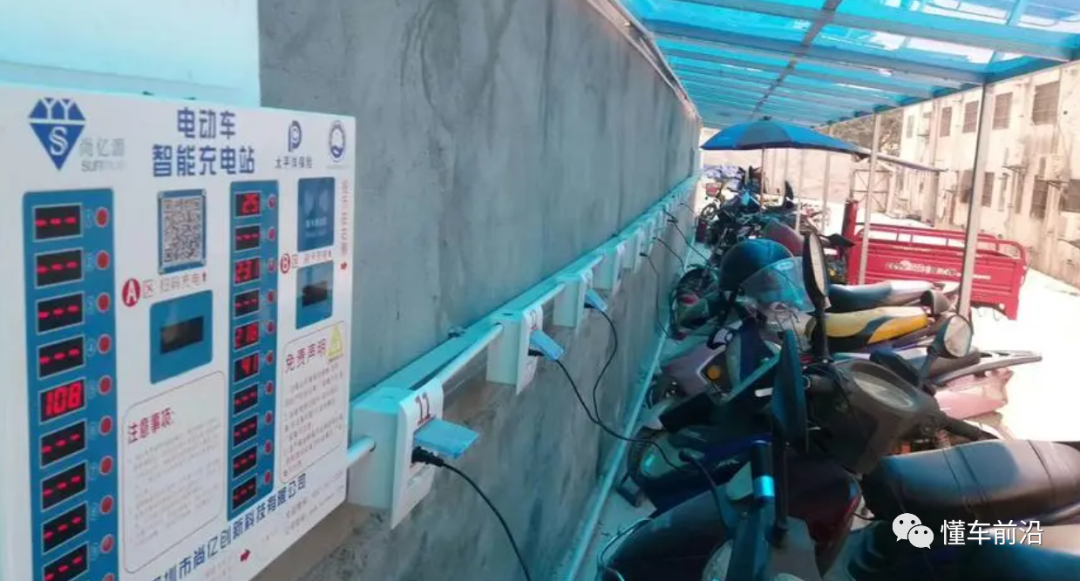
1. Prevent battery swelling due to water loss:
Control the charging time: 6-8 hours in summer and 8-10 hours in winter.
Do not overcharge, and avoid prolonged float charging after charging is complete.
After riding, stop for half an hour before charging, especially in summer.
2. Prevent battery crystallization that leads to aging:
Avoid charging frequently, especially when the battery is still sufficiently charged.
Charge the battery regularly, especially when it has been unused for an extended period.
Charge the battery as soon as possible when the battery level drops below 20% to avoid over-discharge.

Summarize
The charging method for electric vehicle batteries has a significant impact on battery life and driving range. While each method has its potential drawbacks, proper charging maximizes battery life and ensures a longer driving range. Therefore, it's crucial to fully understand the principles and techniques of battery charging, rather than waiting until the battery is completely damaged. Only by charging correctly can we enjoy the convenience and economy of electric vehicles for a longer period. Let's protect batteries, extend the lifespan of our electric vehicles, and contribute to environmentally friendly travel.

表单2
邮件*
*