Guangdong Battery Swap Cabinet Layout Strategy: Unlock the New Blue Ocean of Urban Travel
In Guangdong, electric bicycles have become a reliable mode of transportation for the public, favored by commuters and delivery riders alike. Data shows that the number of electric bicycles in many Guangdong cities continues to rise, with cities like Guangzhou, Shenzhen, and Dongguan boasting millions of bicycles. This massive number has highlighted the growing issues of charging and range extension for electric bicycles, leading to the emergence of battery swapping stations as a key solution to this problem. So, what are the key factors in addressing this issue?What conditions are required for the deployment and operation of electric bicycle battery swapping stations in Guangdong?Let's find out.
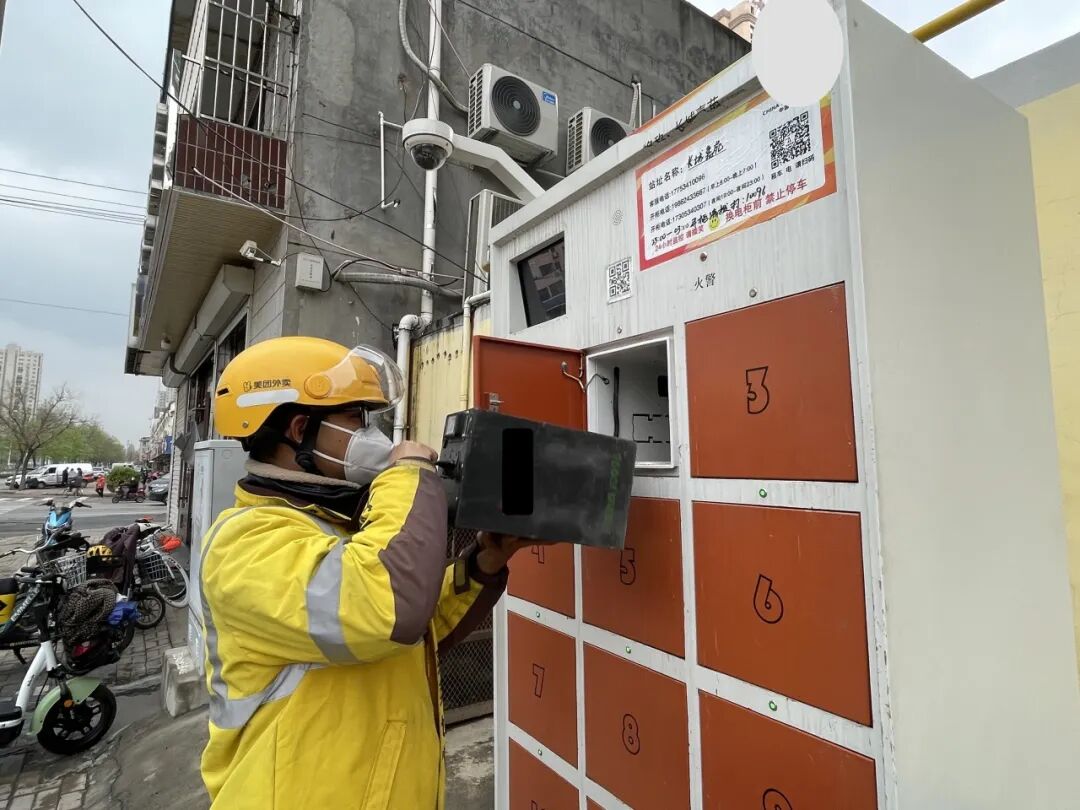
I. Policy and Regulatory Conditions
(a) Qualification and Licensing
To operate a battery swapping station project in Guangdong, the first step is to ensure that the company possesses legal and compliant operating qualifications. This typically involves a business license and relevant industry operating permits. For example, in Guangzhou, companies need to apply for a business license from the market supervision department, and the business scope must clearly include electric bicycle battery swapping services. Furthermore, according to the "Technical Guidelines for the Construction of Electric Bicycle Charging and Swapping Facilities in Guangzhou," battery swapping station operators may also need to meet certain specific industry access requirements. Although there are currently few specific permits for battery swapping station operators, future policies may become more detailed and stringent.
(II) Compliance with safety supervision policies
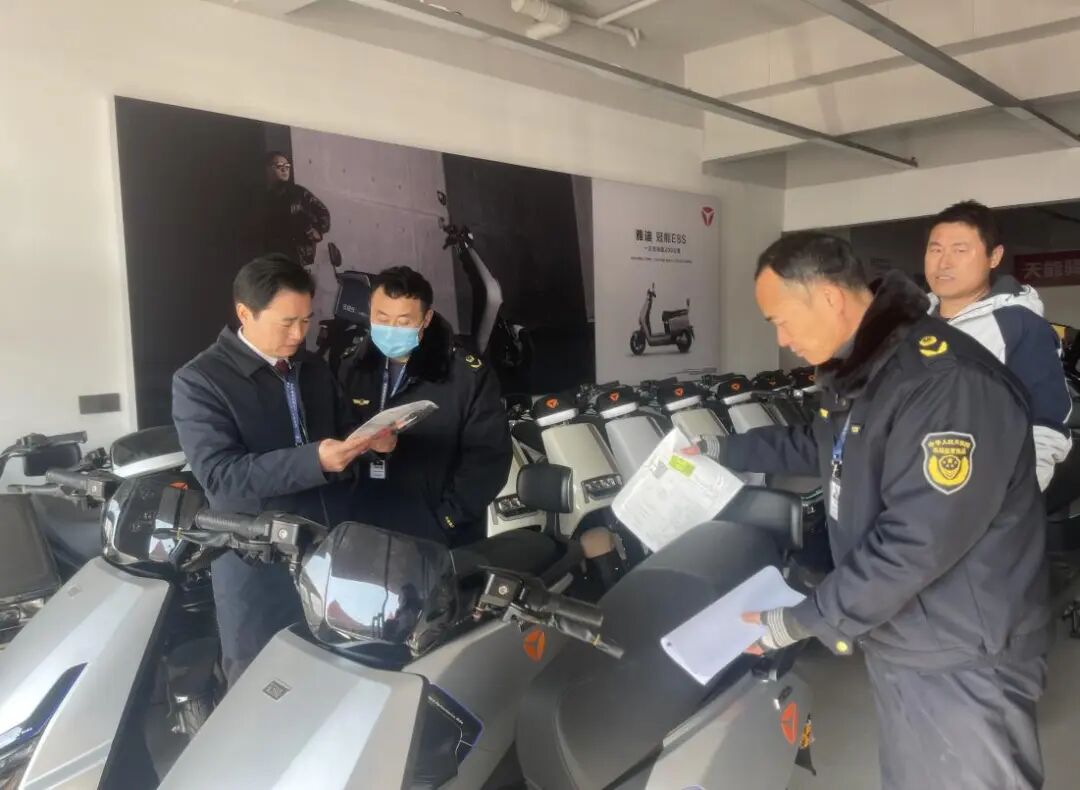
Local governments in Guangdong Province place great emphasis on the safety of electric bicycles. Taking Shenzhen as an example, a series of strict safety regulations have been introduced. The installation location of battery swapping stations, the provision of fire-fighting facilities, and electrical safety must all comply with relevant regulations. For instance, the "Several Provisions on the Safety Management of Electric Bicycles in Shenzhen" explicitly requires that centralized parking and charging areas for electric bicycles must comply with relevant fire safety regulations and be equipped with necessary fire-fighting facilities and equipment. Battery swapping station operators must strictly adhere to these regulations and regularly undergo safety inspections by fire departments and other relevant agencies to ensure safe and compliant operation.
(III) Electricity Price Policy Adaptation
In Guangdong, electricity pricing policies vary depending on the region and the nature of electricity use. Battery swapping stations in residential communities, if connected to the residential power grid, have relatively lower electricity prices; while in commercial areas or independently operated swapping sites, they are generally charged at commercial electricity rates. For example, in Foshan, battery swapping station operators need to communicate and coordinate with the local power supply department to determine appropriate electricity plans and pricing standards based on their own operating model and site characteristics, ensuring that business operations are conducted while keeping electricity costs under control.
II. Site Planning Conditions
(a) Venue selection
Prioritize densely populated areas: In Guangdong, densely populated areas such as Tianhe District in Guangzhou and Futian District in Shenzhen have a huge demand for electric bicycles from residents and commuters, making them ideal locations for battery swapping stations. Additionally, areas surrounding industrial parks are also good choices. For example, many manufacturing parks in Dongguan have a large number of workers who rely on electric bicycles for commuting, resulting in strong demand for battery swapping.
Around transportation hubs: Areas with high pedestrian traffic, such as subway and bus stations, see a significant demand for battery swapping for electric bicycles, which serve as a "last mile" mode of transportation. For example, in Zhuhai, battery swapping stations have been installed near some subway station exits to effectively meet passengers' range needs after switching to electric bicycles.
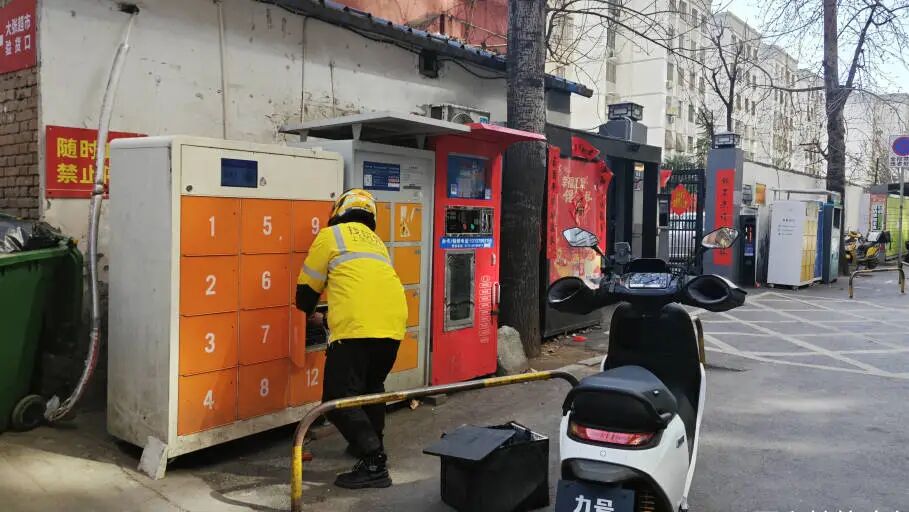
(II) Site Area and Space Requirements
The placement of battery swapping stations requires a certain amount of space. A single station may occupy approximately 1-2 square meters. If multiple stations are placed together, space for personnel operation and vehicle parking must also be considered. In cities in Guangdong, especially in cities like Shenzhen where land resources are scarce, finding a suitable site at a reasonable price is not easy. Generally, a battery swapping station deployment point needs to reserve at least 10-15 square meters of space, including the station placement area, temporary vehicle parking area, and possible operation and management area.
(III) Legality and stability of venue leasing
Ensuring the legality of site leasing is crucial. Operating companies must sign formal lease agreements with site owners, clearly defining key terms such as the lease term and intended use. Taking Huizhou as an example, the ownership of public spaces in some older residential areas is complex. When deploying battery swapping stations in these locations, operating companies need to carefully verify the ownership or usage rights of the sites to avoid future legal disputes. Furthermore, to ensure the continued stable operation of the battery swapping business, a lease term of 3-5 years or more is recommended to reduce operating costs and customer churn risks associated with frequent site changes.
III. Technical Standards and Conditions
(I) Battery swapping cabinet product standards
Safety Performance: In Guangdong's hot and humid climate, the safety performance of battery swapping cabinets is particularly critical. According to the "Safety Technical Specifications for Electric Bicycle Charging and Swapping Facilities in Guangdong Province" (some regions have similar detailed specifications), battery swapping cabinets must have functions such as leakage protection, overcharge protection, short circuit protection, temperature control, and monitoring. For example, in Guangzhou, where summer temperatures are high, the battery swapping cabinet should be able to operate normally in high-temperature environments. When the internal temperature exceeds a certain threshold, it should automatically activate the cooling device or stop charging to prevent battery overheating and potential safety accidents.
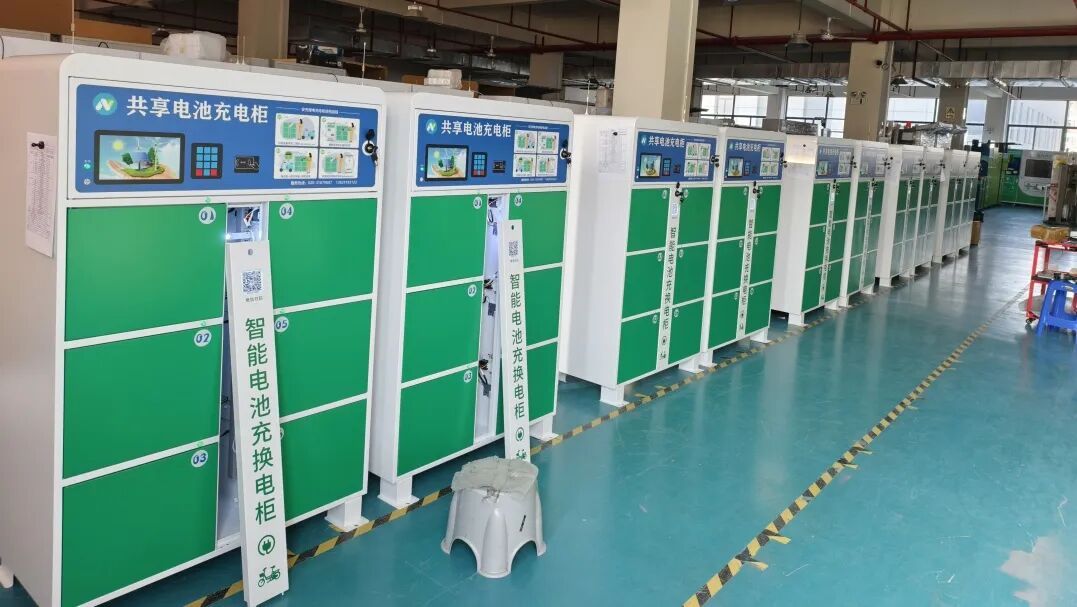
Compatibility: The Guangdong market boasts numerous electric bicycle brands with varying battery specifications. Therefore, battery swapping stations need to be highly compatible, accommodating a wide range of brands and models of batteries. Currently, some advanced battery swapping stations employ a modular design, allowing for flexible adjustments based on different battery specifications, thus improving service versatility and convenience.
(II) Communication and Management System
Real-time monitoring and data transmission: Battery swapping stations should be equipped with advanced communication modules capable of transmitting real-time information such as battery status, charging status, and equipment malfunctions to the operation and management platform. In some cities in Guangdong, such as Foshan, relevant departments require battery swapping station operators to connect some data to the government's regulatory platform to enable real-time monitoring of battery swapping facilities and ensure public safety.
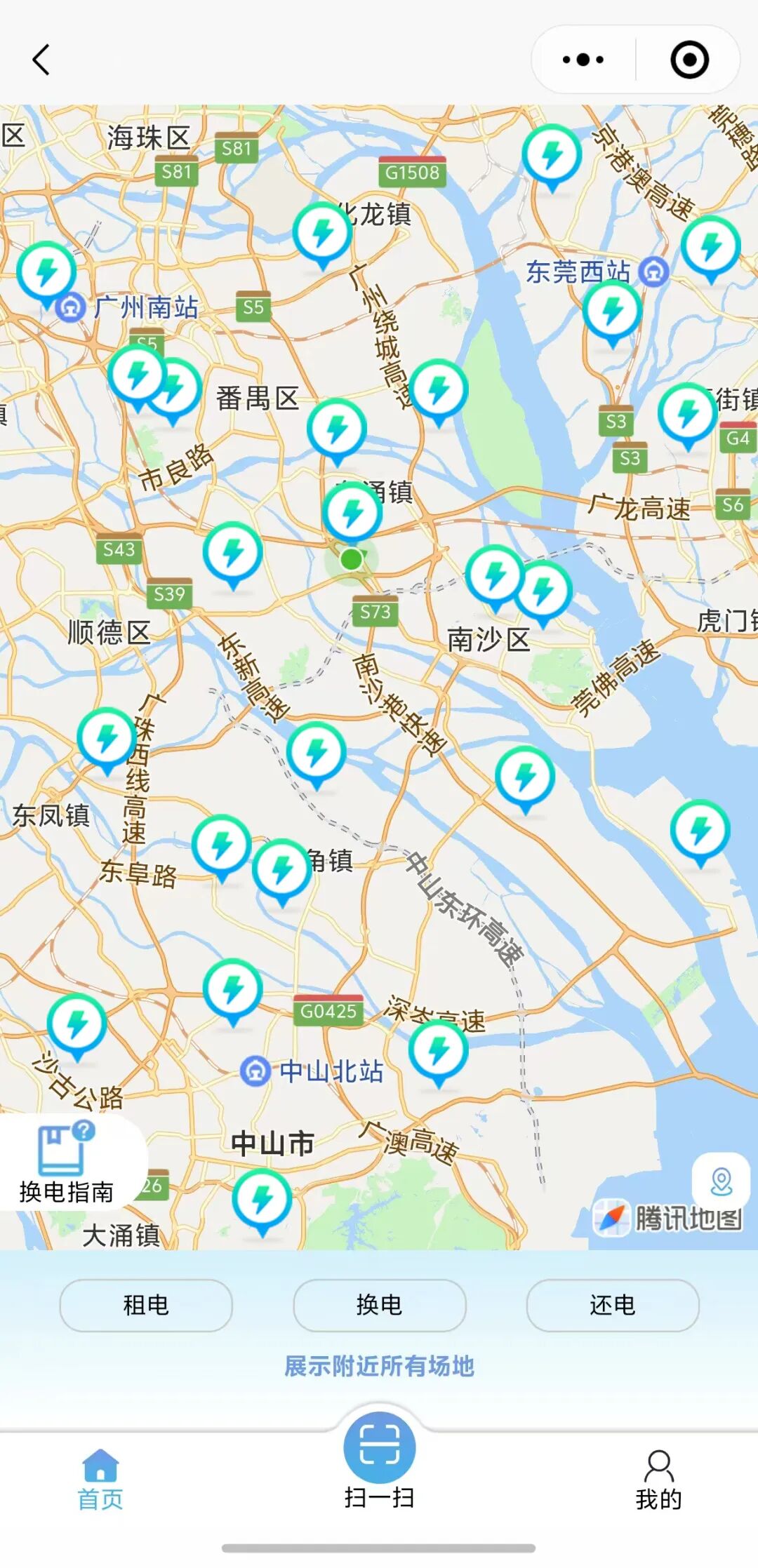
User Management and Service System: Operating companies need to build a convenient user management and service system that supports functions such as user registration, real-name authentication, online payment, battery leasing, and battery swapping record inquiry. Taking Jiangmen as an example, some battery swapping station operators have developed mobile applications to provide users with a convenient service experience. Users can use the application to find nearby battery swapping stations and book battery swapping services at any time, greatly improving user satisfaction.
IV. Operation and Management Conditions
(a) Staffing
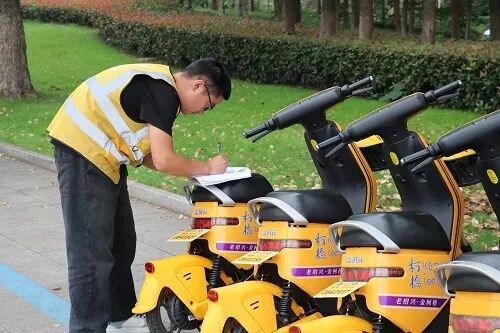
Maintenance personnel: Battery swapping cabinets require regular maintenance and upkeep to ensure their normal operation. In Guangdong, it is crucial to allocate maintenance personnel appropriately based on the number and distribution of battery swapping cabinets. Generally, one dedicated maintenance personnel is needed for every 10-15 battery swapping cabinets, responsible for equipment inspection, fault repair, battery replacement, and other tasks. For example, in Zhongshan, some operating companies' maintenance personnel regularly clean the battery swapping cabinets, check wiring connections, and test battery performance to ensure the equipment is always in good operating condition.
Customer Service Personnel: To respond promptly to user inquiries and complaints, operating companies need to have a professional customer service team. Customer service personnel should possess excellent communication and problem-solving skills, and be able to provide timely and accurate service to users through channels such as telephone and online customer service. In cities with a large user base like Guangzhou, the customer service team needs to be on duty 24 hours a day to ensure that user issues can be handled at any time.
(ii) Battery Management
Battery Procurement and Replacement: Guangdong province has a high demand for battery swapping, requiring operators to ensure a sufficient supply of high-quality batteries. In terms of battery procurement, it is essential to select battery products that meet national standards and are of reliable quality, and to establish a battery replacement mechanism. With the continuous development of battery technology and battery aging, regular battery replacement can improve user experience and reduce safety risks. For example, in Dongguan, some operators replace some severely aged batteries every 1-2 years.
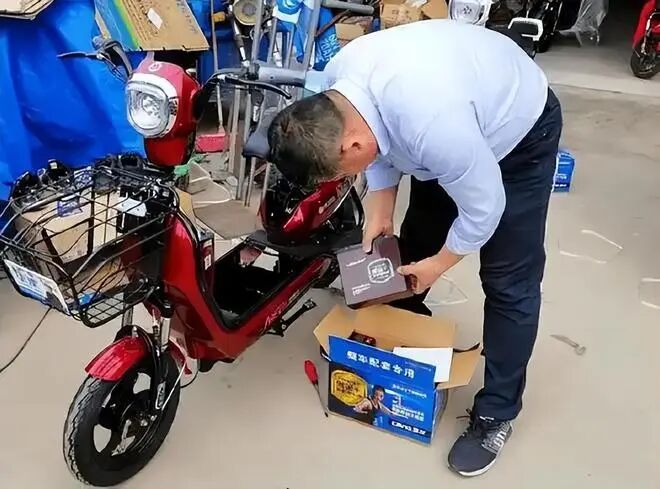
Battery Recycling and Environmental Disposal: The recycling and environmental disposal of used batteries are crucial aspects of operation and management. According to the "Regulations of Guangdong Province on the Prevention and Control of Environmental Pollution by Solid Waste," battery swapping station operators are responsible for the proper recycling and disposal of used batteries to prevent environmental pollution. Currently, some companies have partnered with professional battery recycling companies to establish comprehensive battery recycling systems, ensuring the proper disposal of used batteries.
(III) Cost Control and Profit Model
Cost Structure: The costs of a battery swapping station project mainly include equipment procurement costs, site rental costs, personnel salary costs, battery procurement and maintenance costs, and marketing and promotion costs. In Guangdong, costs vary significantly between different cities. For example, site rental costs and personnel salary costs are relatively high in Shenzhen, while these costs are relatively low in some third- and fourth-tier cities. Operating companies need to conduct meticulous accounting and control of all costs.

Profit Model: Currently, the profit models of battery swapping station operators in Guangdong mainly include battery rental fees, battery swapping service fees, and advertising revenue. For example, in Zhuhai, some companies have partnered with surrounding businesses to place advertisements on their battery swapping stations, increasing their additional revenue streams. Simultaneously, by reasonably setting prices for battery rental and battery swapping services, they achieve profitability while meeting user needs.
To deploy and operate electric bicycle battery swapping stations in Guangdong, it is necessary to...The project meets the relevant requirements in terms of policies and regulations, site planning, technical standards, and operation management.Only by fully considering and implementing these conditions can we ensure the smooth progress of the project, provide convenient, safe, and efficient battery swapping services for users, and achieve sustainable development for the company itself.
The conditions section needs further discussion. For example, if you want to know more about the specific rules for venue rental in a particular city, or if you have any questions about a particular aspect of the technical standards, please feel free to let me know, and I will provide further explanation.

表单2
邮件*
*