Regarding the social value and environmental protection contributions of shared e-bikes, what specif
Regarding the social value and environmental protection contributions of shared e-bikes, the following specific cases and studies support their positive impact on urban transportation and green travel:
1. Promote green travel and reduce carbon emissions
According to the "Report on the Social Value of Shared E-bikes: Low-carbon Travel Makes Life Better", the entire shared e-bike industry can reduce carbon emissions by 1.636 million tons annually. In addition, the "Report on Pollution Reduction and Carbon Emission Reduction in the Whole Life Cycle of Shared Cycling" points out that Meituan's shared bicycles and shared e-bikes have reduced carbon emissions by 213.70 tons and 558.05 tons respectively, and the particulate matter emissions generated during the driving of each e-bike are 134 grams. These data indicate that shared e-bikes play a significant role in reducing carbon emissions in the urban transportation sector.
2. Alleviate urban traffic congestion and the "last - mile" problem
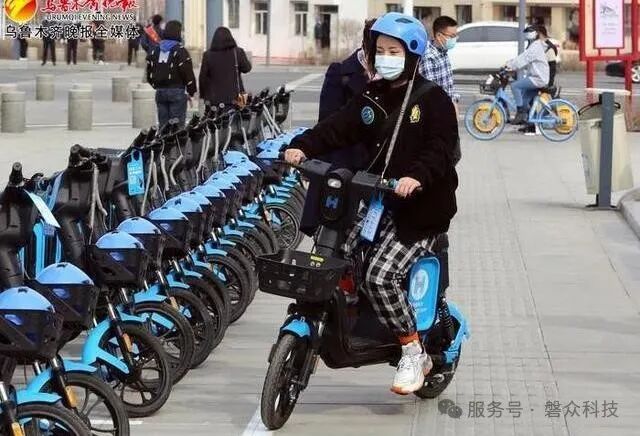
Shared e-bikes effectively alleviate urban traffic congestion by providing a convenient short - distance travel mode.For example, some studies have pointed out that shared e-bikes meet the medium and short - distance travel needs in county towns and enrich the night economy.At the same time, data from Hello Bike shows that shared e-bikes have become the "stitcher" of urban transportation, filling the gap in the "last - mile" of public transportation.
3. Promote the construction of a green travel system
As a low - carbon and environmentally friendly travel mode, shared e-bikes are gradually becoming an important part of urban public transportation. A report from Renmin Chuxing shows that its annual service times reach billions, reducing more than 100,000 tons of carbon dioxide emissions. In addition, the popularization of shared e-bikes has also promoted the in - depth understanding of the concept of green travel.
4. Promote the development of the sharing economy
Shared e-bikes not only meet the public's travel needs but also promote the development of the sharing economy. For example, the penetration rate of shared e-bikes in county towns has increased from 2.5% in 2018 to 49.2% in 2021, indicating their important position in the urban transportation system.
5. Support policy and technology development
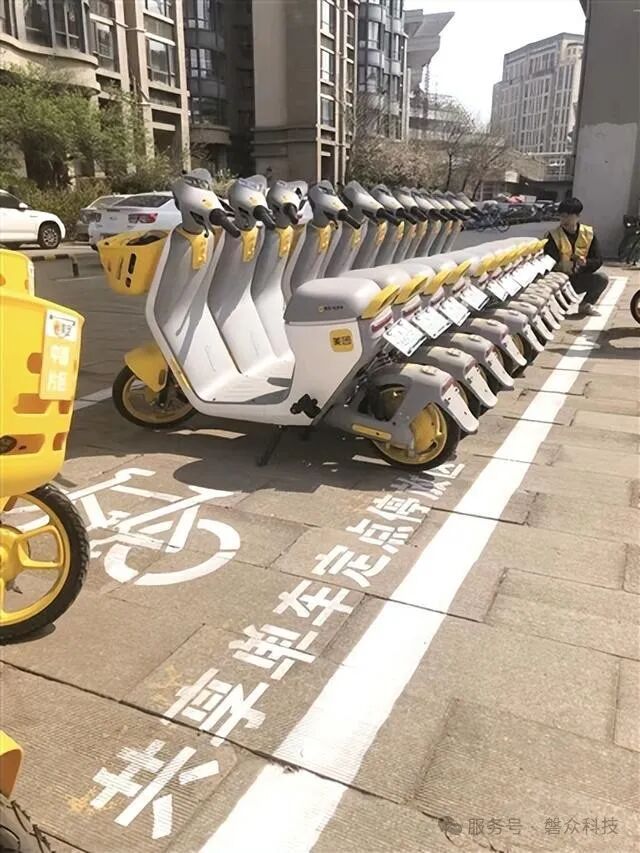
Policy support and technological progress provide a good environment for the development of shared e-bikes. For example, the "New National Standard for Electric Bicycles" implemented in 2019 has encouraged the development of shared e-bikes in cities. In addition, the application of lithium - battery technology has further improved the environmental performance of shared e-bikes.
6. User demand and market potential
The main user group of shared e-bikes is the post - 80s and post - 90s generations, especially in second - to fourth - tier cities where the demand is strong. With the expansion of the sinking market, the user demand for shared e-bikes will further increase.
7. Case analysis
In studies of cities such as Kunming, Changsha, and Yinchuan, shared e-bikes have been proven to effectively connect with rail transit and enrich the urban night economy. In addition,As the first pilot city to develop shared e-bikes, the policy adjustment in Beijing also shows the importance of shared e-bikes in large cities.

Shared e-bikes have significant social value and environmental protection contributions in reducing carbon emissions, alleviating traffic congestion, promoting the construction of a green travel system, and promoting the development of the sharing economy.

表单2
邮件*
*