In recent years, shared electric bicycles (shared e-bikes), as an emerging green travel mode, have quickly gained prominence due to their convenience, affordability, and environmental friendliness. They have become a new favorite in the urban short-distance travel market and gradually developed into an emerging business format and important component of the platform economy. However, the escalating safety issues regarding shared e-bike charging have also attracted the attention of relevant authorities. How to solve the safe charging problem of shared e-bikes in a low-cost and efficient manner has become a difficult challenge for shared e-bike operators.
So, what methods do shared e-bike operators currently use to charge shared e-bikes?
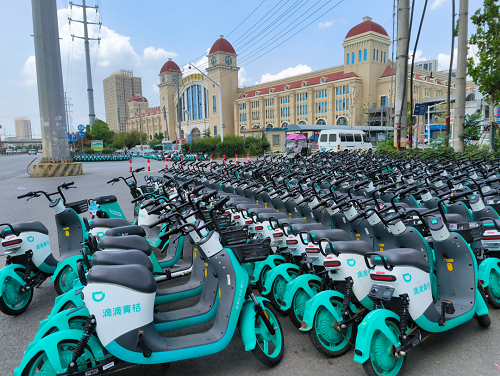
Based on our research, the charging or battery swapping methods for shared e-bikes mainly include the following types:
Fixed charging stations are set up in cities, where operation and maintenance (O&M) staff transport shared e-bikes or batteries with low power to these stations for centralized charging. This method requires a certain amount of space to store vehicles, batteries, and charging equipment. Moreover, centralized charging may pose potential safety hazards, such as fires.
Some shared e-bike brands install intelligent battery swapping cabinets in cities. Users or O&M staff can drive e-bikes with low battery power to the swapping cabinets, and by scanning a QR code (or other methods), take out fully charged batteries from the cabinets for replacement. This method offers fast swapping speed and easy operation, which can improve the utilization efficiency of vehicles. However, the disadvantages are that battery swapping cabinets have relatively high costs, and the repeated opening and closing of individual cabinet doors make them somewhat cumbersome to use.
O&M staff transport shared e-bikes with low power to these charging pile stations for charging. Charging piles are relatively low-cost and do not require battery removal. However, their charging efficiency is relatively low, and centralized charging may also bring potential safety hazards, such as fires.
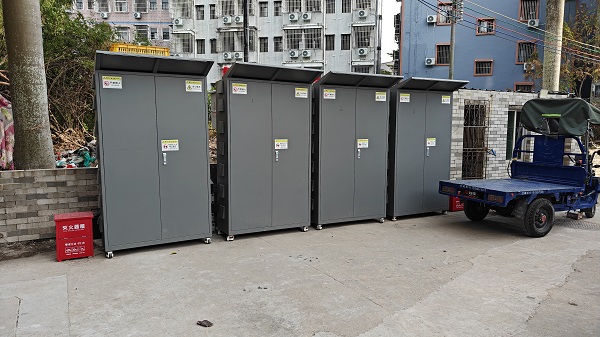
Fixed centralized or distributed charging stations are established in cities. O&M staff transport batteries with low power to these stations for batch charging. After charging, the fully charged batteries are then transported to shared e-bikes with low power for replacement. This mode has obvious advantages: first, the equipment cost is lower than that of battery swapping cabinets, while achieving similar functions; second, one charging cabinet can support simultaneous charging of 20 to 30 batteries, and is equipped with single or double main doors and independent battery compartments, making it both convenient and safe. It supports indoor and outdoor deployment, and can be placed in a centralized or decentralized manner, offering great flexibility. Currently, it has become a new favorite among shared e-bike operators.
In summary, there are diverse charging or battery swapping methods for shared e-bikes. Choosing the appropriate method can effectively help operators reduce operating costs, improve work efficiency, and better ensure operational safety. Which one do you think is more practical?